If you’re chasing a fresh, energetic sound that blends bold colors with a driving beat, “red white and boom mckinney” might be the phrase you keep hearing. Thanks to Suno AI’s music‑generation engine, creators can now conjure this vibe in minutes rather than hours. Below you’ll find a balanced look at the benefits, the compromises, and realistic expectations for using AI to craft the perfect “red white and boom mckinney” track.
How does Suno AI help you build a “red white and boom mckinney” song?
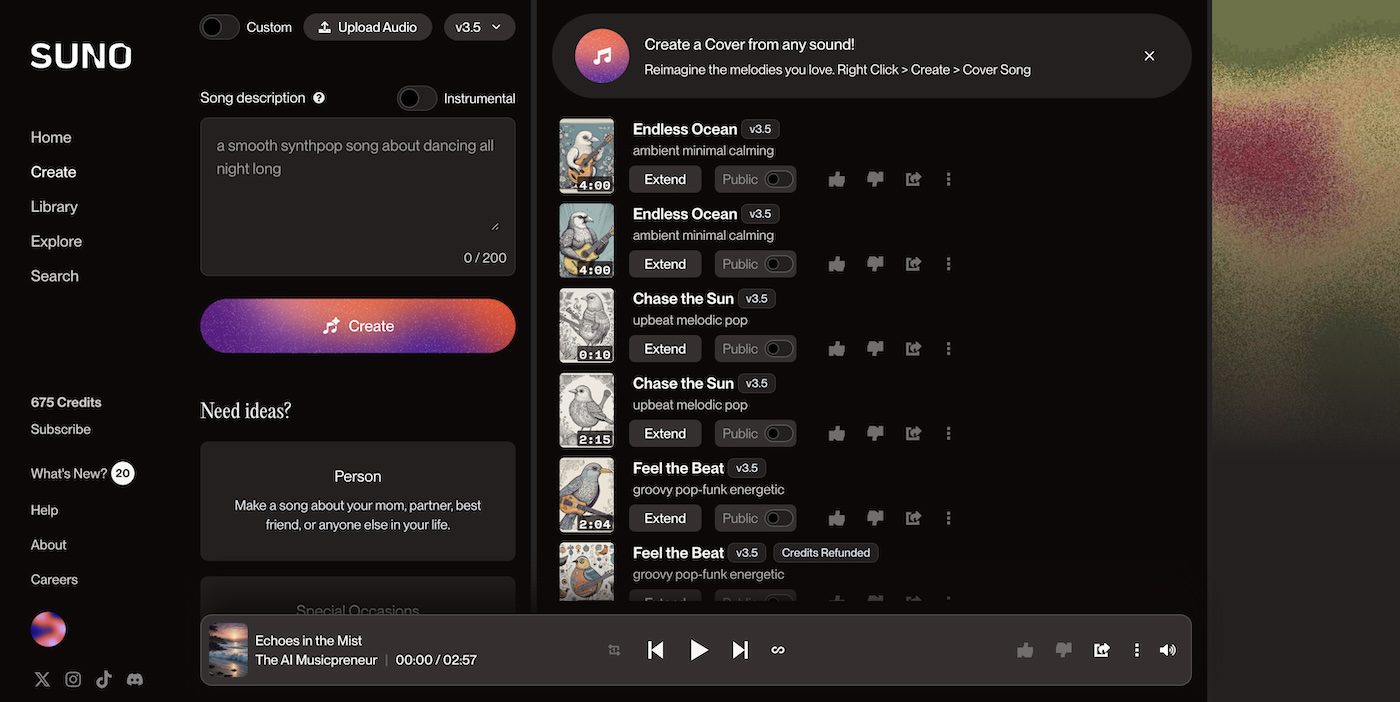
Suno AI offers a clean, drag‑and‑drop canvas where you select a genre, type a lyrical prompt, and let the model produce melodies, chords, and vocals. When you enter terms like “red white and boom mckinney,” the engine interprets the color‑driven adjectives as mood cues—red for intensity, white for clarity—while “boom” directs the rhythm toward a punchy, percussive feel. The result is a track that sounds instantly purposeful, even if you have no prior production experience.
What advantages does AI‑generated “red white and boom mckinney” music provide?
- Speed. A full‑length instrumental can appear in under a minute, letting you prototype ideas before any human musician is even consulted.
- Creative breadth. Suno AI pulls from a massive library of styles, so you can merge unexpected influences—think cinematic brass with trap drum patterns—while still landing on the signature “red white and boom mckinney” vibe.
- Cost efficiency. No studio time, session musicians, or licensing fees are required for the initial composition, which is ideal for indie creators on a tight budget.
- Iterative flexibility. Adjust the prompt, swap a chord progression, or ask for a different vocal timbre, and the model instantly regenerates a fresh take.
Which trade‑offs should you keep in mind when relying on Suno AI?
The convenience of Suno AI does not eliminate all production challenges. Because the model synthesizes from existing data, the output may occasionally echo recognizable motifs, raising potential copyright concerns if you intend to commercialize the track. Additionally, while the AI captures rhythm and harmony well, nuanced human expression—like subtle tempo rubato or authentic vocal inflection—often requires manual tweaking or post‑production polishing.
How realistic are the sound‑quality expectations for “red white and boom mckinney” tracks?

The generated audio meets a high‑fidelity standard suitable for streaming platforms, but it may still need mastering to sit perfectly with other professionally recorded tracks. Expect a clean mix with balanced frequencies, yet be prepared to apply EQ or compression if you want the “boom” element to cut through a full‑band arrangement. The AI excels at delivering the core groove and harmonic structure; the final polish—adding analog warmth or real‑world reverb—is typically a human step.
What practical steps can you take to maximize success and avoid common pitfalls?
- Start with a clear prompt. Include descriptive adjectives (“red,” “white,” “boom”) and reference a tempo range (e.g., 120–130 BPM) to steer the model.
- Iterate quickly. Generate several variations, compare them, and keep the strongest sections while discarding the rest.
- Layer manually. Import the AI‑produced stems into a DAW, add live instruments or vocal takes, and adjust dynamics for a more organic feel.
- Check for similarity. Run the final mix through a plagiarism‑detection tool to ensure you’re not unintentionally replicating copyrighted material.
- Master for consistency. Apply a light limiter and stereo widening, then test the track on multiple playback systems before release.
By understanding both the rapid advantages and the necessary post‑production steps, you can turn “red white and boom mckinney” from a fleeting concept into a polished, crowd‑pleasing anthem. Suno AI accelerates the creative workflow, but the human touch still defines the final character of any memorable track.
