When you are working on a custom electronics project involving the UFC 324, choosing the right debugging tool can make or break your workflow. You need hardware that not only fits your budget but also integrates seamlessly with your specific board layout. While there are many options on the market, understanding how a standard debugger interacts with your target device is the first step toward a successful development cycle.
Is the ST-LINK V2 Compatible with Your UFC 324 Setup?
Before purchasing any additional hardware, you must analyze the interface requirements of the UFC 324. Most modern microcontrollers and development boards rely on standard protocols such as SWD (Serial Wire Debug) or JTAG. If your board utilizes these standard pinouts, a dedicated debugger becomes the most logical choice. It creates a bridge between your computer's USB port and the MCU, allowing you to flash firmware and.step through code in real-time. While there are cheaper alternatives, a reliable connection ensures that you spend less time troubleshooting hardware faults and more time refining your application.
What Should You Look for in the Physical Interface?
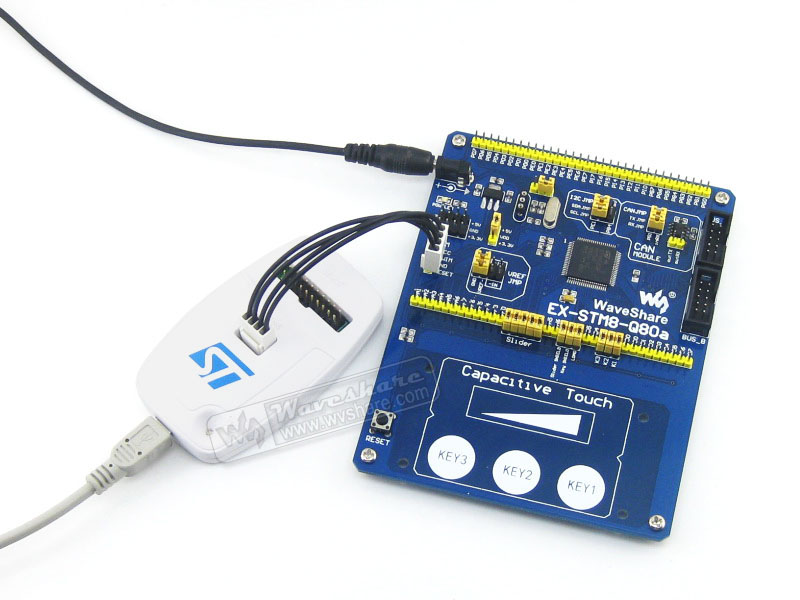
The physical design of the programmer matters significantly when you are dealing with a crowded workbench. As shown in the image above, a compact dongle style is often preferable because it plugs directly into your header without requiring extra cables. For the UFC 324, this direct connection minimizes signal interference, which is a common cause of failed programming attempts. You should verify that the pin pitch on the debugger matches the footprint on your board. Mismatched headers can lead to bent pins or poor electrical contact, forcing you to pause your work to find adapters or solder makeshift solutions.
How Do You Interpret the Connection Diagrams?

Wiring is the area where most users encounter errors, yet it is the most critical part of the setup. Looking at the diagram, you can see that specific lines are dedicated to data, clock, and power. When connecting to the UFC 324, you must ensure that the ground (GND) reference is shared between the programmer and the target board. Without this common ground, the signals will float, and the communication will fail. Furthermore, pay close attention to the voltage levels; applying a 5V signal to a 3.3V pin on your device could cause irreversible damage. Take the time to double-check each pin against your schematic before powering up.
Does Driver Support Impact Your Choice?
An analytical approach requires looking beyond hardware specifications to the software ecosystem. The tool you choose must have stable driver support for your operating system, whether you are using Windows, Linux, or macOS. If the drivers for the UFC 324 programmer are unstable, your integrated development environment (IDE) will frequently lose connection during debugging sessions. This inconsistency introduces doubt into your testing process; you will find yourself constantly rebooting the device rather than identifying logic errors in your code. Reading community forums and recent user reviews can provide insight into whether a specific unit supports the latest versions of popular IDEs.
What Is the Final Recommendation for Your Project?
If your goal is to maintain a smooth and efficient development environment for the UFC 324, investing in a quality ST-LINK V2 adapter is a sound decision. It provides the necessary balance of reliability and ease of use that everyday developers need. By ensuring your wiring matches the diagrams and verifying your driver setup, you eliminate the most common points of failure. Don't let low-cost clones tempt you if they lack the stability required for consistent flashing; choose the tool that keeps your project moving forward.
